
Explore by Interest
Discover Japan through the lens of what excites you most — from ancient temples to world-class cuisine.
Culture & History
Temples, shrines, castles, and the living traditions of Japan.

Tokyo Imperial Palace
Kanto
The Imperial Palace (皇居, Kōkyo; lit. 'Imperial Residence') is the main residence of the emperor of Japan. It is a large park-like area located in the Chiyoda district of the Chiyoda ward of Tokyo and contains several buildings, including the Fukiage Palace (吹上御所, Fukiage gosho), where the emperor has his living quarters; the main palace (宮殿, Kyūden), where various ceremonies and receptions take place; some residences of the Imperial Family; an archive; and museums and administrative offices.

Itsukushima Shrine
Chugoku
Itsukushima Shrine (厳島神社, Itsukushima-jinja) is a Shinto shrine on the island of Itsukushima (popularly known as Miyajima), best known for its "floating" torii. It is in the city of Hatsukaichi, in Hiroshima Prefecture in Japan, accessible from the mainland by ferry at Miyajimaguchi Station. The shrine complex is listed as a UNESCO World Heritage Site, and the Japanese government has designated several buildings and possessions as National Treasures.

Horyu-ji Temple
Kansai
Hōryū-ji (Japanese: 法隆寺; lit. 'Temple of the Flourishing Dharma') is a Buddhist temple that was once one of the powerful Seven Great Temples, located in Ikaruga, Nara Prefecture, Japan. Built shortly after Buddhism was introduced to Japan, it is also one of the oldest Buddhist sites in the country. Its full name is Hōryū Gakumonji (法隆学問寺), or Learning Temple of the Flourishing Law, with the complex serving as both a seminary and monastery. The temple was founded by Prince Shōtoku in 607. According to the Nihon Shoki, in 670 all buildings were burned down by lightning.

Nikko Tosho-gu
Kanto
Nikkō Tōshō-gū (日光東照宮) is a Tōshō-gū Shinto shrine located in Nikkō, Tochigi Prefecture, Japan.
Nature & Outdoors
Mountain trails, coastal walks, hot springs, and national parks.

Mount Fuji
Chubu
Mount Fuji[a] (富士山・富士の山, Fujisan, Fuji no Yama) is an active stratovolcano located on the Japanese island of Honshu, with a summit elevation of 3,776.24 m (12,389 ft 3 in). It is the highest mountain in Japan, the second-highest volcano on any Asian island (after Mount Kerinci on the Indonesian island of Sumatra), and the seventh-highest peak of an island on Earth. Mount Fuji last erupted from 1707 to 1708.

Aokigahara
Chubu
Aokigahara (青木ヶ原, 'Aucuba Tree Meadow'), also known as the Sea of Trees (樹海, Jukai), is a forest on the northwestern flank of the Mount Fuji on the island of Honshu in Japan, thriving on 30 square kilometres (12 sq mi) of hardened lava laid down by the last major eruption of Mount Fuji in 864 CE. The western edge of Aokigahara, where there are several caves that fill with ice in winter, is a popular destination for tourists and school trips. Parts of Aokigahara are very dense, and the porous lava rock absorbs sound, contributing to a sense of solitude that some visitors attribute to the forest. The forest has a historical reputation as a home to yūrei: ghosts of the dead in Japanese mythology. At least since the 1960s, Aokigahara has become associated with suicide, eventually becoming known in English by the nickname "Suicide Forest" and gaining a reputation as one of the world's most-used suicide sites. Because of this, signs at the head of some trails urge suicidal visitors to think of their families and contact a suicide prevention association.

Shirakawa Village
Chubu
Shirakawa-go (Japanese: 白川郷) is located in northwestern Gifu Prefecture, Japan, at the eastern foot of Mount Haku and near the Shō River.

Tokyo Disneyland
Kanto
Tokyo Disneyland (Japanese: 東京ディズニーランド, Hepburn: Tōkyō Dizunīrando; local nickname TDL) is a 126-acre (51 ha) theme park at the Tokyo Disney Resort in Urayasu, near Tokyo in Chiba Prefecture, Japan Its main gate is directly adjacent to both Maihama Station and Tokyo Disneyland Station. It was the first Disney park to be built outside the United States and it opened on April 15, 1983. The park was constructed by WED Enterprises in the same style as Disneyland in California and Magic Kingdom in Florida. It is owned by the Oriental Land Company, which licenses intellectual property from the Walt Disney Company. Tokyo Disneyland and its companion park, Tokyo DisneySea, are the only Disney parks in the world not owned or operated by the Walt Disney Company in any capacity.
Shopping & Markets
Artisan crafts, bustling markets, and curated shopping districts.

Omotesando Hills
Kanto
building in Tokyo, Tokyo, Japan

Ikspiari
Kanto
The Tokyo Disney Resort (東京ディズニーリゾート, Tōkyō Dizunī Rizōto) (local nickname TDR) is a theme park and vacation resort located in Urayasu, Chiba, Japan, just east of Tokyo. The resort is owned and operated by the Oriental Land Co., a subsidiary of the Keisei Electric Railway, under a license from The Walt Disney Company, which designed and constructed the resort and its various attractions through its Imagineering research & development arm. The resort opened on April 15, 1983, as a single theme park (Tokyo Disneyland), later developing into a resort with a second theme park (Tokyo DisneySea), six Disney themed hotels, six non-Disney hotels and a shopping complex (Ikspiari). Tokyo Disneyland was the first Disney theme park to open outside the United States and the complex is the only Disney resort in the world not owned or operated by Disney Experiences in any capacity.
Sightseeing
Iconic landmarks, scenic viewpoints, and must-visit attractions.

Mount Koya
Kansai
Mount Kōya (高野山, Kōya-san) is a large temple settlement in Wakayama Prefecture, Japan to the south of Osaka. In the strictest sense, Mount Kōya is the mountain name (sangō) of Kongōbu-ji Temple, the ecclesiastical headquarters of the Kōyasan sect of Shingon Buddhism.

Tokyo Tower
Kanto
Tokyo Tower (東京タワー, Tōkyō Tawā; pronounced [toːkʲoː taꜜɰᵝaː] ), also known by its official name Japan Radio Tower (日本電波塔, Nippon denpatō) is a communications and observation tower in the district of Shiba-koen in Minato, Tokyo, Japan, completed in 1958. At 332.9 metres (1,092 feet), it was the tallest tower in Japan until the construction of Tokyo Skytree in 2012. It is a lattice tower inspired by the Eiffel Tower, and is painted white and international orange to comply with air safety regulations. The tower's main sources of income are antenna leasing and tourism, and its five-story base building FootTown houses a number of restaurants, gift shops, and other attractions. Departing from it, guests can visit two observation decks: the two-story Main Deck at 150 m (490 ft), and the smaller Top Deck at 249.6 m (819 ft).

Awaji Island
Kansai
Awaji Island (淡路島, Awaji-shima) is an island in Hyōgo Prefecture, Japan, in the eastern part of the Seto Inland Sea between the islands of Honshū and Shikoku. The island has an area of 592.17 square kilometres (228.64 square miles). It is the largest island of the Seto Inland Sea. Some scholars, such as Motoori Norinaga, have claimed that the name means "the road to Awa (阿波)", the historic province bordering the Shikoku side of the Naruto Strait (now part of Tokushima Prefecture), although this etymology is disputed. Others, including Tsugita Uruu, have interpreted the historical meaning of awa as 粟 "millet", due to a story where the kami Sukunabikona climbs a millet stalk on the island, as told in the Kojiki and Nihon Shoki; in these books, the island is referred to as Awaji no Honosawake no Shima (淡道之穂之狭別嶋(あはぢのほのさわけのしま)) – referencing the Japanese creation myth, where it was the first island created in Japan – and Awaji-shima (淡路洲), respectively.

Hiroshima Peace Memorial
Chugoku
The Hiroshima Peace Memorial (広島平和記念碑, Hiroshima Heiwa Kinenhi), originally the Hiroshima Prefectural Industrial Promotion Hall, and now commonly called the Genbaku Dome, Atomic Bomb Dome or A-Bomb Dome (原爆ドーム, Genbaku Dōmu), is part of Hiroshima Peace Memorial Park in Hiroshima, Japan, and was designated a UNESCO World Heritage Site in 1996.
Seasonal Highlights
Time your trip around Japan's most spectacular seasonal events.

Cherry Blossom Season
Late March — Mid May
Japan’s most iconic seasonal spectacle. Follow the sakura front from southern Kyushu to northern Hokkaido as parks, temples, and riverbanks transform into canopies of pink and white.
Read the full guide →

Summer Festivals & Events
June — August
Explosive fireworks, centuries-old matsuri, tropical beaches, and alpine escapes. Summer in Japan pulses with energy from Okinawa’s shores to Hokkaido’s lavender fields.
Read the full guide →

Autumn Foliage Season
Late September — Early December
From Hokkaido’s alpine valleys to Kyoto’s temple gardens, autumn paints Japan in brilliant reds, oranges, and golds. The koyo front moves south over three months.
Read the full guide →

Winter Snow & Illuminations
December — February
World-class powder snow, steaming onsen under snowfall, magical illuminations, and serene temple visits. Winter reveals a quieter, more contemplative Japan.
Read the full guide →
Seasonal Videos
Curated watches for blossoms, festivals, foliage, and winter highlights.
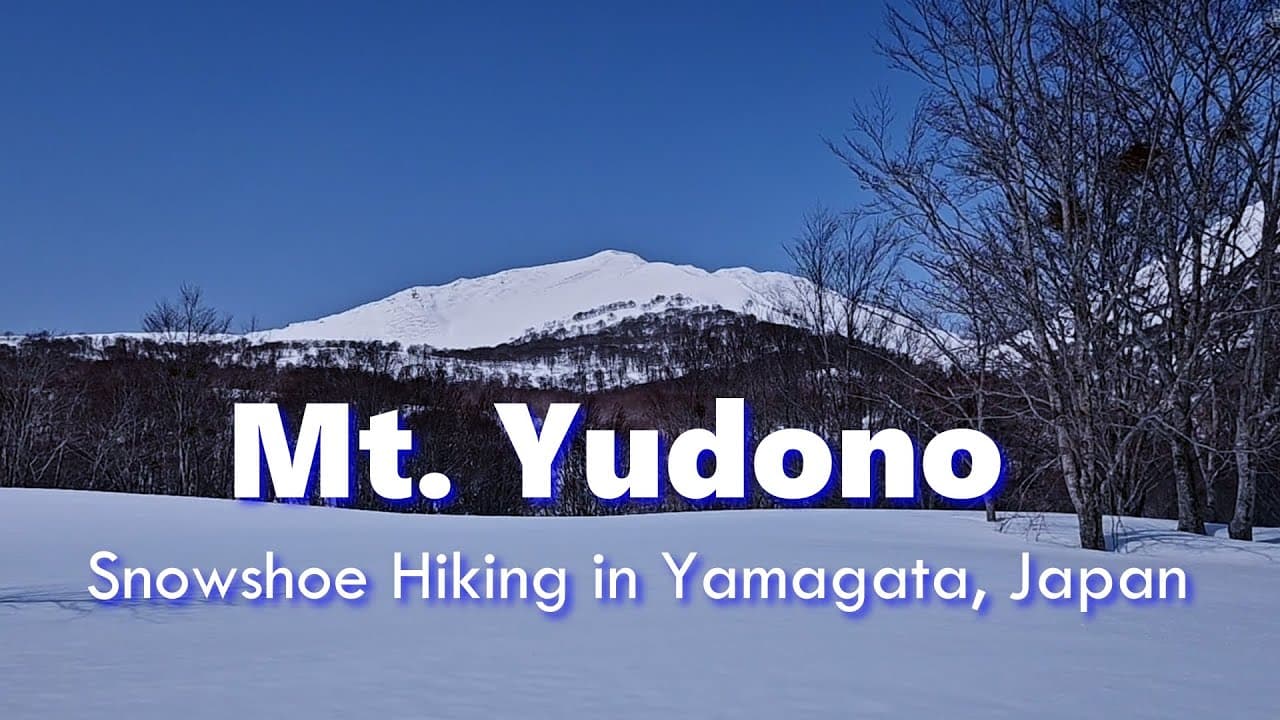
Into the heart of Shugendo | Snowshoe hiking to Mt. Yudono in Yamagata, Japan
Tokyo Hiking
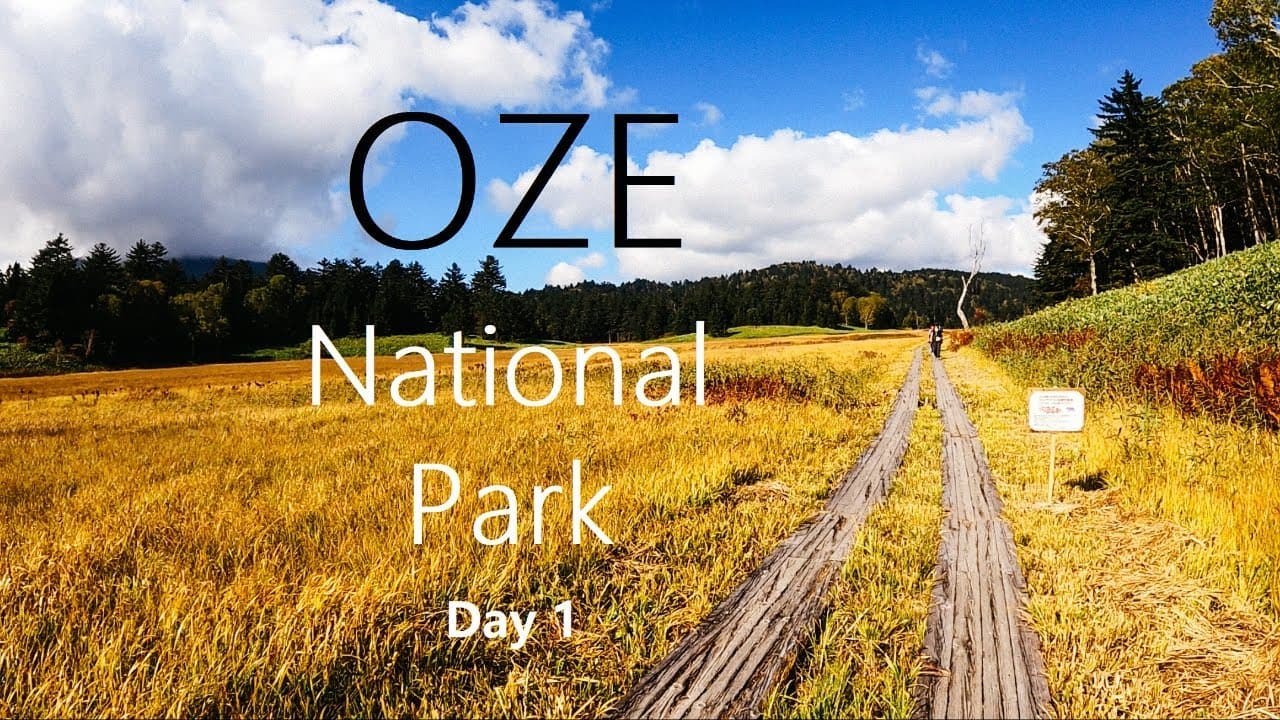
OZE National Park Day 1 | Flat Trail Hike| Best Autumn Hike for Kids|Silent Vlog
PinkSampaguita
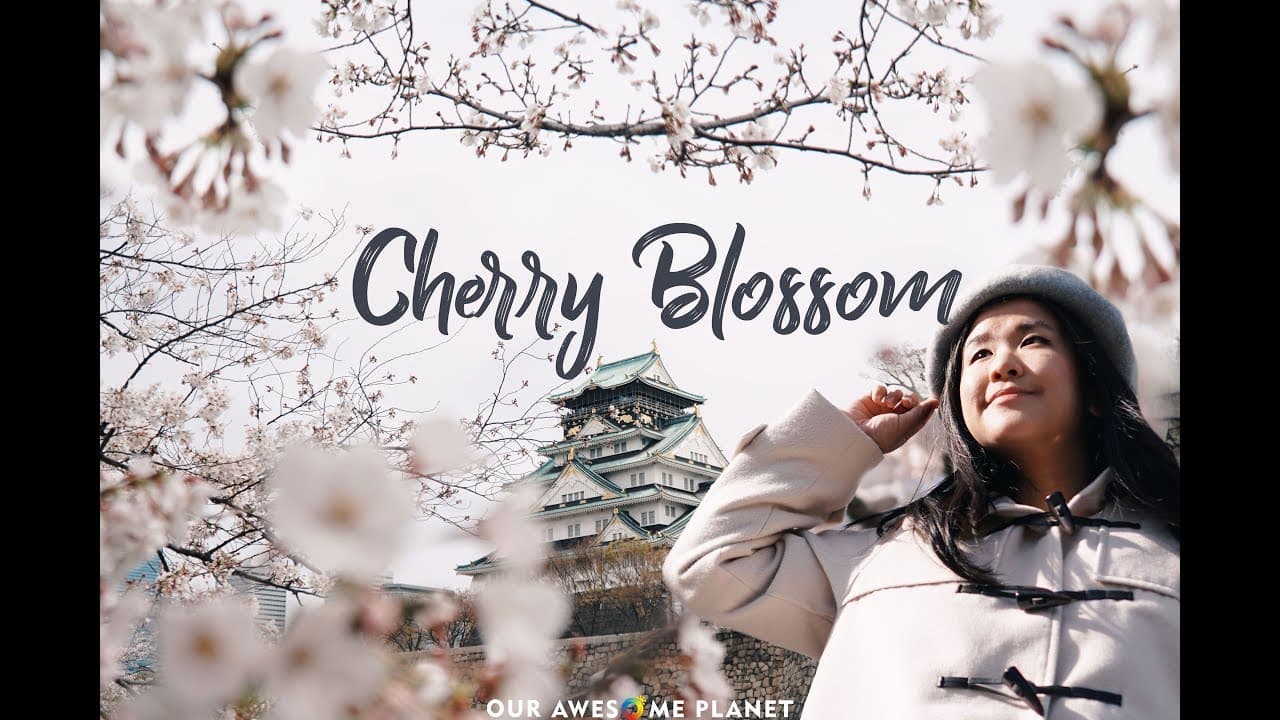
Cherry Blossoms in Japan: Sakura Season in Kansai (Vlog)
Our Awesome Planet
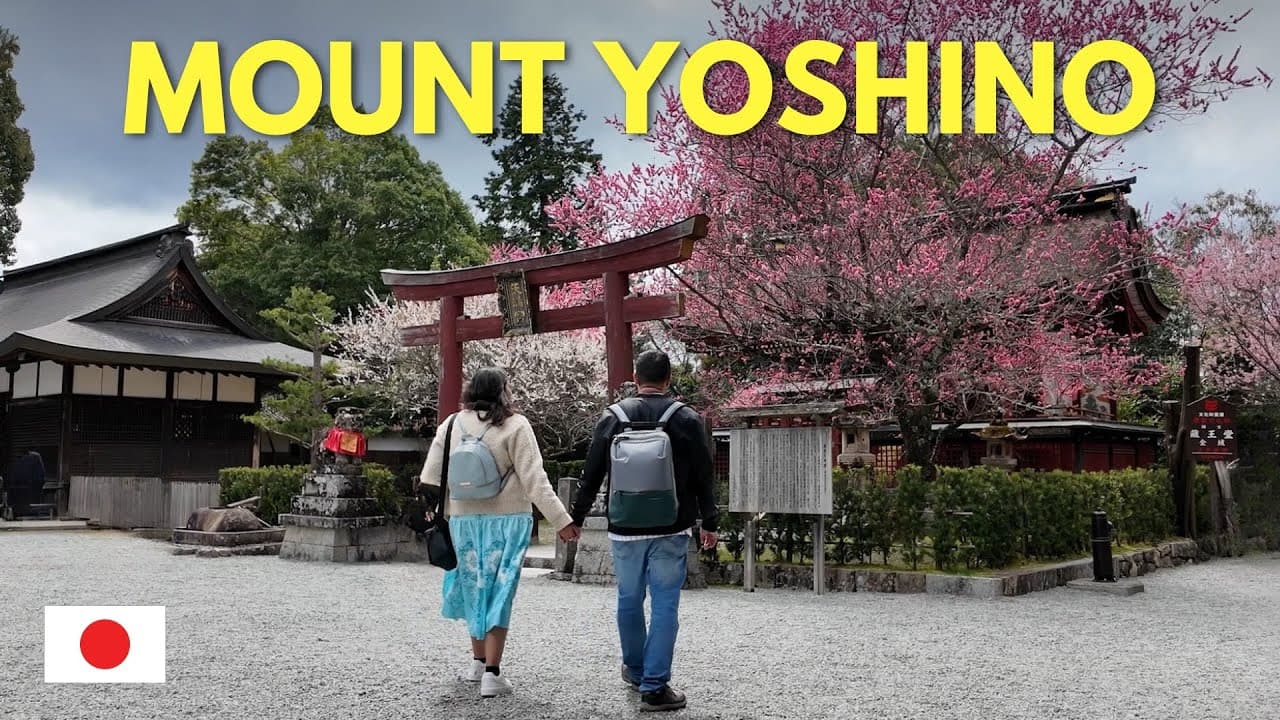
🇯🇵 Mount Yoshino Before Peak Sakura | What We Actually Found
Amrita & Sathya